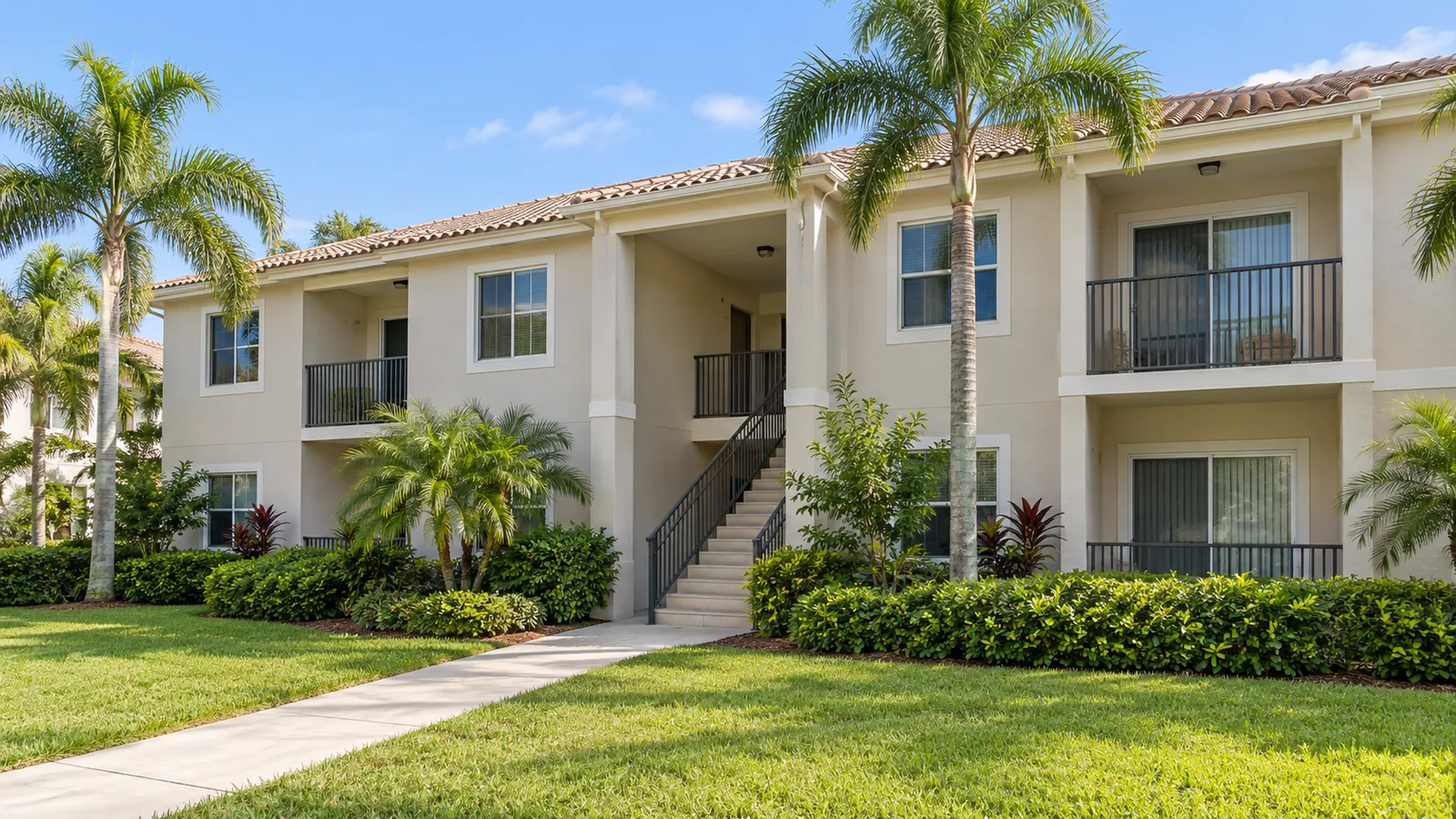
Community and Association Painting Scope
The first step is to define what the association is actually painting. A community may include residential buildings, clubhouses, perimeter walls, corridors, stair areas, shared exterior elements or other common surfaces. Each group of surfaces can carry different preparation needs and access constraints. For broader business and managed-property painting options, see Commercial & HOA Painting.
Buildings, Common Areas and Shared Surfaces
Multi-building properties benefit from a scope that separates repeatable conditions from building-specific ones. One elevation may be sound while another shows cracks, staining or coating failure. Common areas can also differ from private or occupied spaces in how access should be planned. The written scope should identify the surfaces included, the conditions that require preparation and any areas that need separate repair before finish work begins.
Occupied Property and Access Planning
When people live or work around the project, access becomes part of the planning discussion. Entrances, walkways, parking areas, balconies, corridors and other shared spaces may need sequencing around property use. Phasing and resident-communication requirements vary by property. If a board or manager has access rules, operating windows or communication requirements, they should be defined when the project is scoped.
Facade, Stucco, Concrete and Sealant Conditions
Exterior community painting often reveals issues that sit below the finish. Cracked stucco, open joints, deteriorated sealant or concrete damage can affect whether a surface is ready for coating. Cleaning may be appropriate before painting, including pressure washing where suitable. If concrete deterioration exceeds normal preparation, review concrete restoration as a separate scope.
Color and Scope Decisions for Multi-Building Work
Associations may need to decide whether the project keeps the existing color scheme, updates selected elements or changes a broader exterior palette. The practical issue is consistency across the surfaces that are included. Color decisions should be made alongside the scope so accent areas, doors, trim, walls and shared structures are clearly assigned. Any approval process required by the association remains a property-specific responsibility unless separately agreed.
Phasing and Maintenance Planning
Large properties can be divided by building, elevation, surface type or another practical sequence. The right division depends on access, property use and the amount of preparation required. A maintenance discussion should also distinguish between repainting and conditions that signal a different service. For recurring moisture exposure or protective-envelope concerns, see waterproofing rather than treating every exterior issue as paint maintenance.
Related Cleaning, Waterproofing and Restoration
HOA painting can sit next to several other property services without being the same job. Cleaning prepares surfaces. Waterproofing addresses moisture-protection needs. Concrete restoration addresses deterioration in the substrate. Keeping those scopes distinct makes it easier to understand what belongs in the painting work and what needs separate evaluation.
FAQ
Can an HOA project include several buildings?
Yes. Multi-building painting is a normal community-project scenario, but the scope should identify which buildings and surfaces are included.
Do you handle resident notices or association approvals?
Those requirements vary by property and are not presented as a standard FL-GoodHome service. If the association has a required communication or approval process, it should be identified during scope planning.
What if stucco or concrete is damaged?
Surface defects should be reviewed before coating. Some conditions fall within normal preparation; others may require a dedicated stucco, sealing, waterproofing or concrete-restoration service.
Where is this service available?
FL-GoodHome serves Broward County and nearby South Florida from its public location in Hollywood, FL.