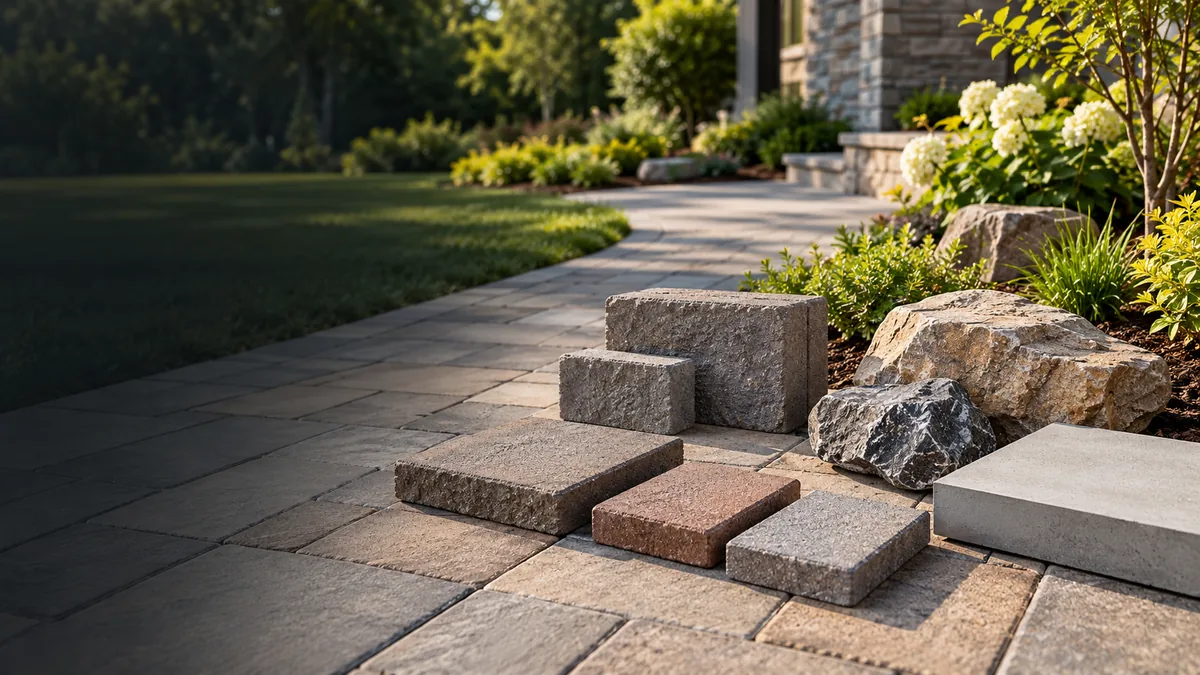
Identify the Material Before Choosing the Repair
Concrete, concrete block, brick and stone require different repair materials and joint details. A patch should be compatible with the existing surface and intended exposure.
Cracks Need Context
Small stable cracks can be different from cracks associated with movement, settlement or structural distress. FL-GoodHome does not diagnose structural movement through a general repair page.
For concrete spalling and larger deterioration, see Concrete Restoration.
Mortar Repairs Should Match the Masonry
Loose or missing mortar can sometimes be repointed locally. Hardness, color and joint profile affect how a new repair interacts with older masonry.
Coating Comes After a Suitable Repair
Paint, sealer or waterproofing should not be used to cover unstable masonry. Once repaired, the surface can move into the appropriate finish system.
For the broader service family around this task, Exterior & Outdoor shows the parent scope and neighboring options without expanding this page beyond its purpose. If concrete is spalling, cracked or deteriorating, Concrete Spalling & Crack Repair should be evaluated before a finish is applied to the repaired surface. If moisture protection or rain entry becomes the primary problem, Waterproofing should be evaluated before a finish-only solution is selected.
FAQ
Can cracks in concrete block be patched?
Some localized conditions can be repaired; structural cracks may require qualified evaluation.
Do you repair spalling concrete?
Broader spalling belongs under Concrete Restoration.
Can masonry be painted after repair?
Yes, once the repair is ready and the coating is suitable.
Where is service available?
Hollywood, Broward County and nearby South Florida.