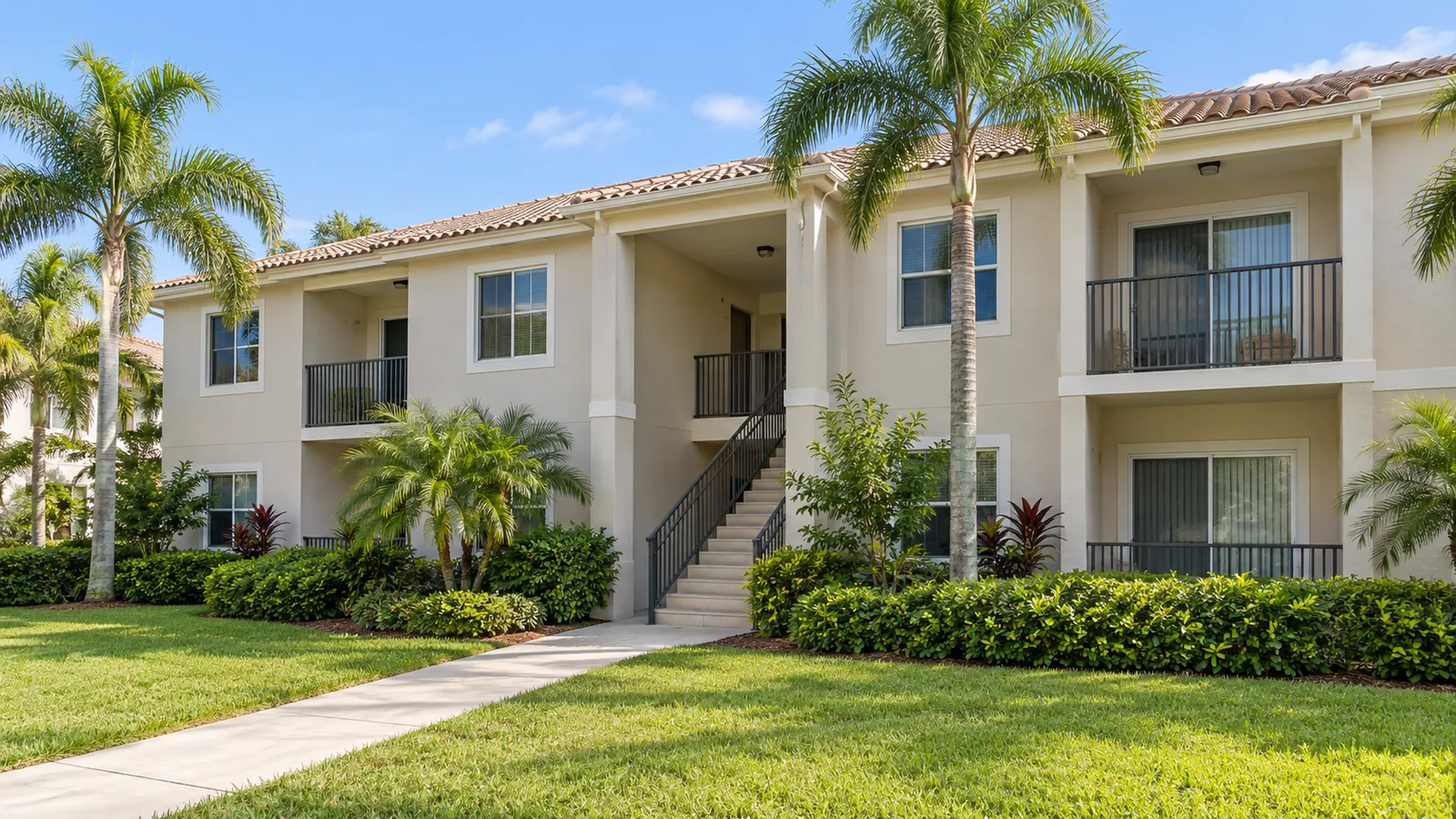
Define Which Parts of the Condominium Are in Scope
A condominium property can include corridors, stairwells, lobbies, club rooms, exterior walls, doors, railings, parking-adjacent structures and other common elements. Unit interiors may be privately controlled while shared spaces fall under association management. The painting scope should clearly identify which surfaces are part of the project and who controls access to them.
For broader association work across several buildings or community facilities, see HOA Community Painting.
Shared Interior Areas Need a Consistent Finish Plan
Corridors, elevator lobbies, stair areas and common rooms are seen repeatedly by residents and visitors. Wall repairs, touch-up boundaries and color transitions can become obvious when several connected floors or buildings are involved. A consistent finish plan should identify repeated surfaces while still allowing for local damage or different lighting conditions.
The goal is visual continuity without pretending every wall is in the same condition.
Occupied Buildings Require Access Decisions
Painting an occupied condominium is different from an empty turnover unit. Residents, deliveries, staff and visitors may continue to use common routes while the work is happening. Doors, stairs, elevators and other access points can affect the sequence.
FL-GoodHome does not promise a standard resident-notice system or association-approval process. Any building-specific communication, work-hour or access requirements should be provided by the property and reflected in the agreed scope.
Exterior Condo Surfaces May Need More Than Cleaning
Exterior walls can show chalking, biological growth, cracked stucco, failed sealant or concrete deterioration. Cleaning may be needed before repainting, including Pressure Washing where suitable. Surface defects should then be separated into ordinary preparation versus repair or restoration work.
If concrete damage exceeds paint preparation, Concrete Restoration is the more appropriate service path.
Moisture and Envelope Conditions Should Stay Separate From Painting
A new exterior finish can improve appearance and renew a suitable coating system. Recurring water entry or a failed moisture-protection system is a different problem. When the project centers on water resistance rather than color renewal, use Waterproofing to define that work independently.
This keeps painting from becoming a catch-all label for every exterior building condition.
Color Decisions Can Affect Multiple Shared Buildings
Some condominium projects keep an existing palette; others change body, trim, doors or accent elements. A multi-building color decision should account for how the scheme repeats across elevations and common areas. Existing fixed materials such as roofs, pavers, stone or metalwork also influence the overall appearance.
The association’s required approval process remains a property-specific responsibility unless otherwise agreed.
For the broader service family around this task, Commercial & HOA Painting shows the parent scope and neighboring options without expanding this page beyond its purpose.
FAQ
Do you paint individual condo units?
This page focuses on association-managed condo painting. Interior residential painting is available separately where the unit owner controls the project.
Can common areas be painted while the building remains occupied?
Potentially, but access and sequencing need to be planned around the specific building.
Is waterproofing included in condo painting?
Waterproofing is a separate service when moisture-protection work is required.
What area do you serve?
FL-GoodHome serves Broward County and nearby South Florida.