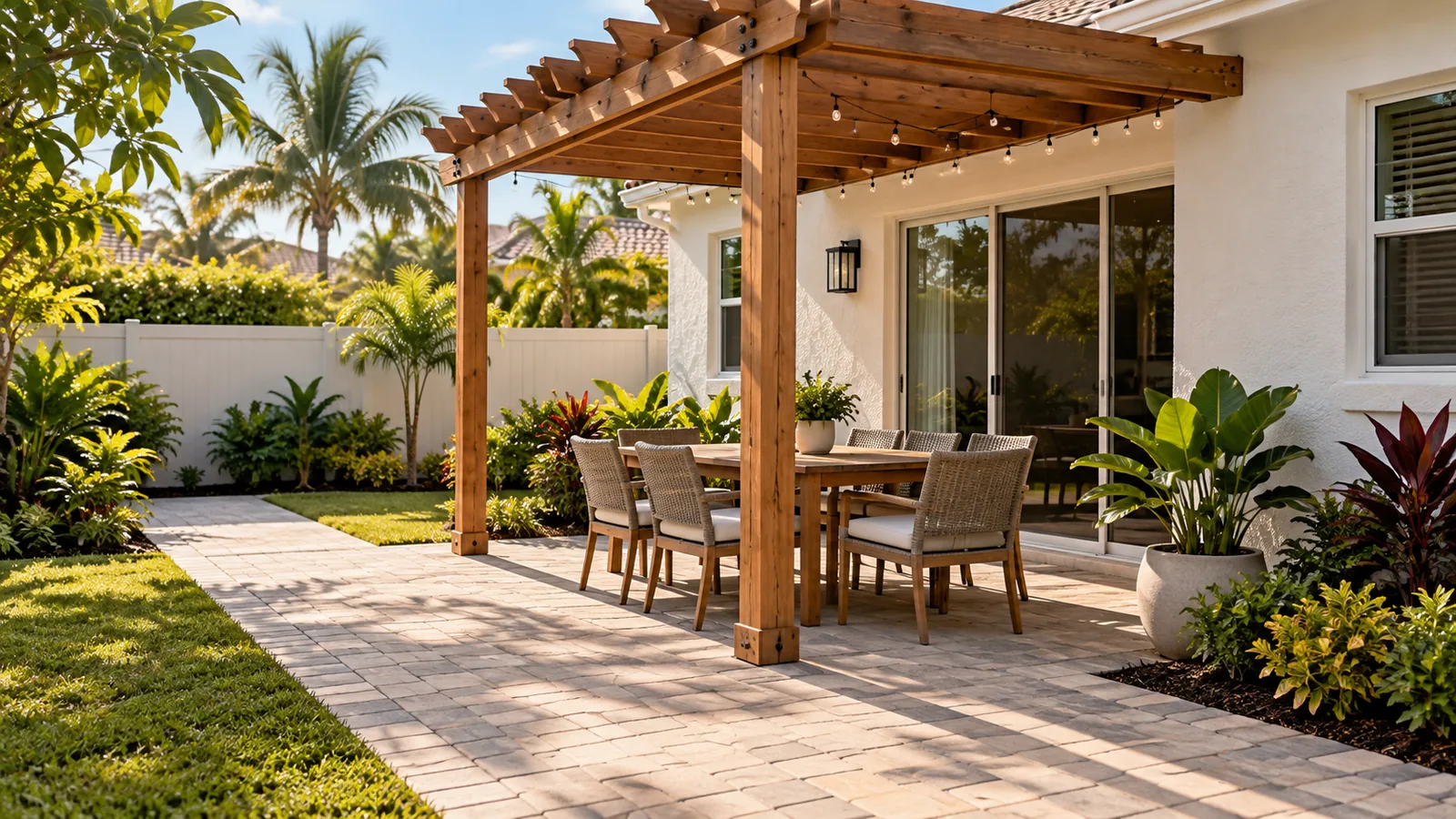
Base Condition Controls the Finished Surface
Pavers and similar units can settle when the base is weak or poorly compacted. New installation should start with the correct prepared layer for the selected system, while repair should identify why an area moved before units are reset.
Drainage Should Be Planned Before Elevation Is Final
A hardscape surface should move water away from buildings and avoid creating low spots where practical. Existing doors, thresholds and adjacent slabs influence finished height.
For paver finishing after installation, see Paver Sealing.
Local Repairs Can Reuse Existing Units
Sunken or displaced pavers can sometimes be lifted, the base corrected locally and the same pieces reset. Broken or unavailable units can create a matching challenge in older installations.
Larger Structural or Retaining Work Is Separate
Retaining walls, engineered foundations and major structural masonry can require specialized design or permits. This page focuses on suitable residential hardscape rather than broad civil construction.
For the broader service family around this task, Exterior & Outdoor shows the parent scope and neighboring options without expanding this page beyond its purpose. If the project shifts toward Masonry & Concrete Repair, use Masonry & Concrete Repair for that separate scope rather than stretching HARDSCAPE INSTALLATION & REPAIR beyond its intended purpose. For the adjacent Concrete Sealing scope, continue with Concrete Sealing so the two services remain distinct while they can still be coordinated on one property.
FAQ
Can sunken pavers be repaired?
Often, when the problem is local and the surrounding base remains serviceable.
Does hardscape installation include drainage design?
Ordinary slope planning can be part of the project, but engineered drainage is separate where required.
Can existing pavers be reused?
Yes, when they remain sound and compatible with the repaired area.
Where is service available?
Hollywood, Broward County and nearby South Florida.